
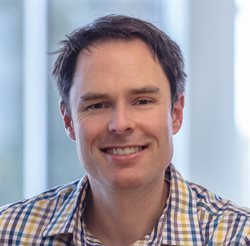
Joss Hurford
Building Performance ConsultantAffiliated Engineers, Inc.A Senior High Performance Design Engineer with over 20-years experience in sustainability and building simulation, specializing in resilience, decarbonization and occupant experience. Joss is the company lead on developing AEI’s consideration and application of future climate consideration, risk and resilience. He is passionate about the synergies between low energy/water design and resilience, for delivering uninterrupted patient care in the most effective and responsible means.
E02 – Old and New: An Owner’s Perspective on Decarbonizing Healthcare Campuses
Healthcare organizations are increasingly recognizing that “first, do no harm” extends beyond patient care to include the environmental impact of the
…Healthcare organizations are increasingly recognizing that “first, do no harm” extends beyond patient care to include the environmental impact of the campuses that support it. This creates growing tension between delivering high-quality care, reducin
…Healthcare organizations are increasingly recognizing that “first, do no harm” extends beyond patient care to include the environmental impact of the campuses that support it. This creates growing tension between delivering high-quality care, reducing carbon emissions, and remaining fiscally responsible. This session brings together MD Anderson, WakeMed, and their engineering partners to share real-world drivers, strategies, and lessons learned f
…Healthcare organizations are increasingly recognizing that “first, do no harm” extends beyond patient care to include the environmental impact of the campuses that support it. This creates growing tension between delivering high-quality care, reducing carbon emissions, and remaining fiscally responsible. This session brings together MD Anderson, WakeMed, and their engineering partners to share real-world drivers, strategies, and lessons learned from decarbonizing both new and existing healthcare campuses.
Through contrasting case studies, presenters will examine how organizational goals, regulatory pressures, resiliency planning, and long-term operational needs shaped different decarbonization pathways. Topics include aligning decarbonization with mission and capital planning; evaluating all-electric versus hybrid systems; phasing upgrades in occupied facilities; and addressing grid reliability and operational impacts. The session emphasizes practical takeaways, highlighting what worked, what didn’t, and how early decisions influenced cost, constructability, and long-term performance without compromising patient care.
Show MoreClick the title to see all detailsShow More



E99 – All-Electric Healthcare Facilities: Lessons from the MD Anderson Cancer Center
Healthcare systems face pressure to reduce carbon emissions without compromising patient care, yet few pursue fully electric facilities. This session
…Healthcare systems face pressure to reduce carbon emissions without compromising patient care, yet few pursue fully electric facilities. This session shares lessons from The University of Texas MD Anderson Cancer Center Sugar Land campus, demonstrati
…Healthcare systems face pressure to reduce carbon emissions without compromising patient care, yet few pursue fully electric facilities. This session shares lessons from The University of Texas MD Anderson Cancer Center Sugar Land campus, demonstrating how all-electric design can support healthcare decarbonization while maintaining resilience, patient-centered care, and long-term financial performance.
MD Anderson challenged the design team to d
…Healthcare systems face pressure to reduce carbon emissions without compromising patient care, yet few pursue fully electric facilities. This session shares lessons from The University of Texas MD Anderson Cancer Center Sugar Land campus, demonstrating how all-electric design can support healthcare decarbonization while maintaining resilience, patient-centered care, and long-term financial performance.
MD Anderson challenged the design team to deliver a net-zero-ready facility aligned with its clinical mission, extending the principle of “first, do no harm” to the built environment. Attendees will learn how this directive shaped envelope performance, system selection, and operational strategies to reduced emissions while enhancing both patient care and functionality.
The session also explores the business case for electrification, including lifecycle cost analysis, grid-emissions forecasting, risk reduction, and available incentives. It concludes with lessons on resilience, addressing grid reliability and climate-driven risks relevant to future healthcare projects.
Show MoreClick the title to see all detailsShow More