
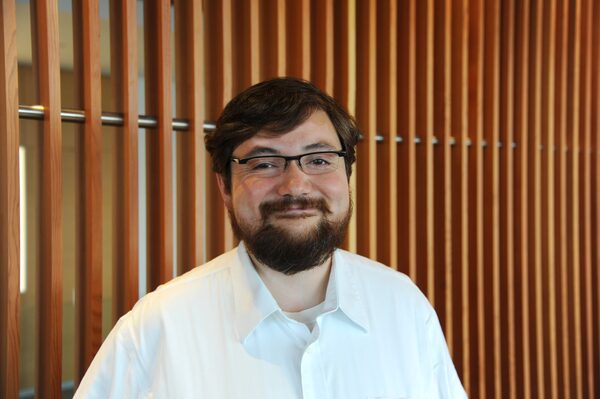
Richard Shiga
PrincipalZGF ArchitectsRichard (Rich) Shiga knows that even the best laid plans can go awry. An avid hiker, Rich is a Certified Member of Multnomah County Sheriff Search and Rescue, where he volunteers to help locate individuals lost in the wild. At ZGF, Rich brings that same tenacity and problem-solving mindset to his work for clients. Rich combines a passion for teaching with a talent for unraveling complex design challenges, helping healthcare organizations achieve their goals. One of the firm’s most versatile designers, he applies Evidence-Based Design and lean principles across projects ranging from hospitals to highly specialized outpatient and inpatient facilities.
E74 – Designing for Resilience: Reimagining the Emergency Department for Patients and Caregivers
Emergency departments are the front door of healthcare and often the first point of contact for patients navigating crisis, vulnerability, and uncerta
…Emergency departments are the front door of healthcare and often the first point of contact for patients navigating crisis, vulnerability, and uncertainty. Providence Portland Medical Center undertook a nine-phase renovation and vertical expansion of
…Emergency departments are the front door of healthcare and often the first point of contact for patients navigating crisis, vulnerability, and uncertainty. Providence Portland Medical Center undertook a nine-phase renovation and vertical expansion of its two-story emergency department (ED) to address growing patient volumes, behavioral health needs, and staffing burnout and retention challenges—while remaining fully operational 24/7.
The project
…Emergency departments are the front door of healthcare and often the first point of contact for patients navigating crisis, vulnerability, and uncertainty. Providence Portland Medical Center undertook a nine-phase renovation and vertical expansion of its two-story emergency department (ED) to address growing patient volumes, behavioral health needs, and staffing burnout and retention challenges—while remaining fully operational 24/7.
The project was grounded in a deep understanding of the ED’s most complex “super users,” including non-English speaking patients; individuals experiencing housing or food insecurity; transgender and immigrant communities; refugees; people with disabilities; the uninsured; elderly patients; and clinical professionals. Prioritizing safety, dignity, and trust shaped every design decision. A hardened second-floor expansion enables extended stays for behavioral health patients, while reconfigured workflows keep patients moving continuously through care, supporting caregiver resilience. Design strategies intentionally respond to the cultural and demographic context of East Portland, advancing equity and accessibility for the community it serves.
Delivered within an existing facility, the project required close collaboration among hospital leadership, designers, contractors, and procurement constraints, and system integration. The expansion demonstrates how a super-user–driven, phased approach can improve patient experience, support staff retention, and create resilient emergency departments that perform better for all users.
Show MoreClick the title to see all detailsShow More