
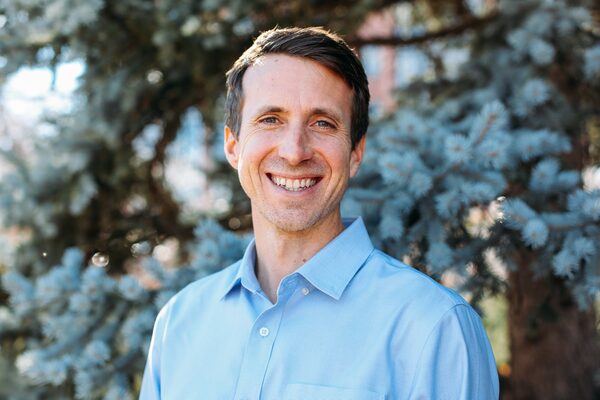
David Nelson
Vice President Planning, Design, and Construction Multi-State DivisionAdventHealthDavid began with hands‑on construction work before earning a structural engineering degree from Walla Walla University and a master’s in civil engineering from the University of Colorado. He started his career at URS Corporation in Denver, designing industrial structures worldwide. Seeking mission‑driven work, he moved into healthcare construction, delivering hospitals, cancer centers, oncology suites, and tower expansions. He joined AdventHealth in 2024 and recently took on the VP role for AdventHealth Multi-state Divison over Planning, Design, and Construction
E90 – Designing for Tomorrow: A Replacement Hospital that Prioritizes Safety, Growth, and Community
Replacing a 30-year-old hospital isn’t just a capital project—it’s a strategic reinvestment in safety, access and community trust. In an era of climat
…Replacing a 30-year-old hospital isn’t just a capital project—it’s a strategic reinvestment in safety, access and community trust. In an era of climate volatility, the stakes are higher: the existing facility’s wildfire exposure and limited emergency
…Replacing a 30-year-old hospital isn’t just a capital project—it’s a strategic reinvestment in safety, access and community trust. In an era of climate volatility, the stakes are higher: the existing facility’s wildfire exposure and limited emergency access pose unacceptable risks to a vital community resource. The new campus tackles these challenges head-on with fire-resistant assemblies, intelligent compartmentalization, and intuitive evacuatio
…Replacing a 30-year-old hospital isn’t just a capital project—it’s a strategic reinvestment in safety, access and community trust. In an era of climate volatility, the stakes are higher: the existing facility’s wildfire exposure and limited emergency access pose unacceptable risks to a vital community resource. The new campus tackles these challenges head-on with fire-resistant assemblies, intelligent compartmentalization, and intuitive evacuation routes, while optimized ambulance circulation and continuous fire lanes strengthen operational reliability. Beyond safety, the design elevates healing through site selection that preserves iconic mountain views and evidence-based strategies proven to support recovery. Architecture and safety are not tradeoffs—they are integrated, with form and function reinforcing each other. Built for what’s next, the design prioritizes flexible planning, modular growth zones, and resilient infrastructure and sustainability measures harden the campus against disasters while lowering operating costs. The result is a future-ready hospital that is safer, more accessible, and deeply connected to its community.
Show MoreClick the title to see all detailsShow More