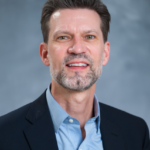
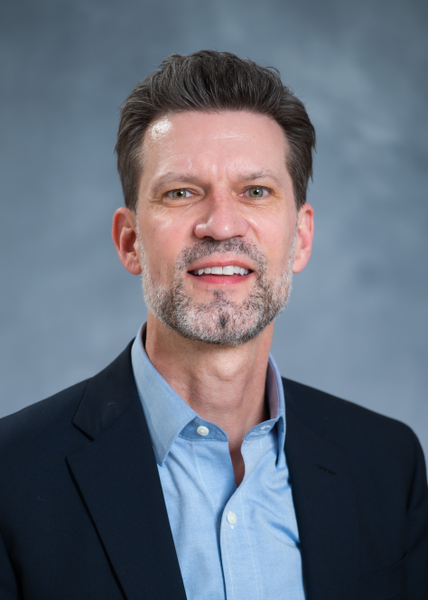
Robert Tyberg
Director of Cardiovascular Surgical and Procedural DepartmentsAbbott Norwestern HospitalRob Tyberg is a cardiovascular nursing leader overseeing procedural operations for cardiac surgery, interventional, structural heart, and electrophysiology across multiple Allina Health MHI sites. He manages operations at Abbott Northwestern and United Hospitals, standardizes processes, and leads strategic initiatives. He played a key role in launching Minnesota’s first cardiovascular ASC and contributed to planning the new Abbott Northwestern critical care and surgical tower; coordinating design, operations, and phased renovation to maintain capacity.
E101 – Operation Revolution: Lessons From a Three‑Floor OR and Perioperative Design
Transforming surgical services is one of the most complex and high-stakes operational challenges in healthcare, especially when operating rooms and pe…Transforming surgical services is one of the most complex and high-stakes operational challenges in healthcare, especially when operating rooms and perioperative services expand across multiple floors and shift from siloed units to fully interchangea…Transforming surgical services is one of the most complex and high-stakes operational challenges in healthcare, especially when operating rooms and perioperative services expand across multiple floors and shift from siloed units to fully interchangeable spaces. This session shares a case study from a major hospital transition where the surgical platform moved from one floor to three vertically distributed floors while consolidating pre-op, post-o…Transforming surgical services is one of the most complex and high-stakes operational challenges in healthcare, especially when operating rooms and perioperative services expand across multiple floors and shift from siloed units to fully interchangeable spaces. This session shares a case study from a major hospital transition where the surgical platform moved from one floor to three vertically distributed floors while consolidating pre-op, post-op, and PACU into an interchangeable room model shared across all specialties. What initially felt impossible, limited visibility across floors, concerns about staffing coverage, uncertainty about patient flow, and anxiety about losing established routines, became an opportunity to build a resilient, efficient, and team-centered system. Through structured change management, detailed workflow mapping, simulation events, readiness assessments and continuous stakeholder engagement, the organization shifted from resistance and fear to clarity and collaboration. While grounded in perioperative services, the methods and lessons are transferable to any organization managing major spatial redistribution, service integration, or high-risk operational change. Attendees will leave with a practical framework to convert complexity into an organized system that staff trust and patients experience as seamless.Show MoreClick the title to see all detailsShow More